

Fast Fashion: Warum bewusster Modekonsum jetzt zählt | LOOP
Fast Fashion: Warum bewusster Modekonsum wichtiger denn je istFast Fashion: ein Begriff, der unsere moderne Modewelt prägt und gleichzeitig ihre dunkelste Seite...
6 Minute readGreenwashing—a term you’ve surely come across while shopping for supposedly sustainable fashion. But what’s really behind it when companies advertise their products as “green,” “eco-friendly,” or “climate-neutral”? As a conscious consumer, you want to support genuine sustainability and not fall for empty promises. That’s exactly where this guide comes in: We’ll show you how to spot greenwashing in the fashion industry and why buying pre-owned designer pieces at LOOP is an authentically sustainable alternative.
Imagine you’re standing in a store in front of a T-shirt with the label “100% sustainably produced.” Sounds good, right? But upon closer inspection, you find no concrete information about what that actually means. That’s exactly what greenwashing is: companies portray themselves as more environmentally friendly than they actually are. They deliberately use vague terms, green colors in advertising, or isolated sustainable measures to distract from the bigger picture.
This phenomenon is particularly widespread in the fashion industry. While fast-fashion giants advertise “Conscious Collections,” they simultaneously produce millions of garments under questionable conditions. The problem: As a consumer, it’s often hard to tell where genuine commitment to sustainability ends and pure marketing strategy begins.
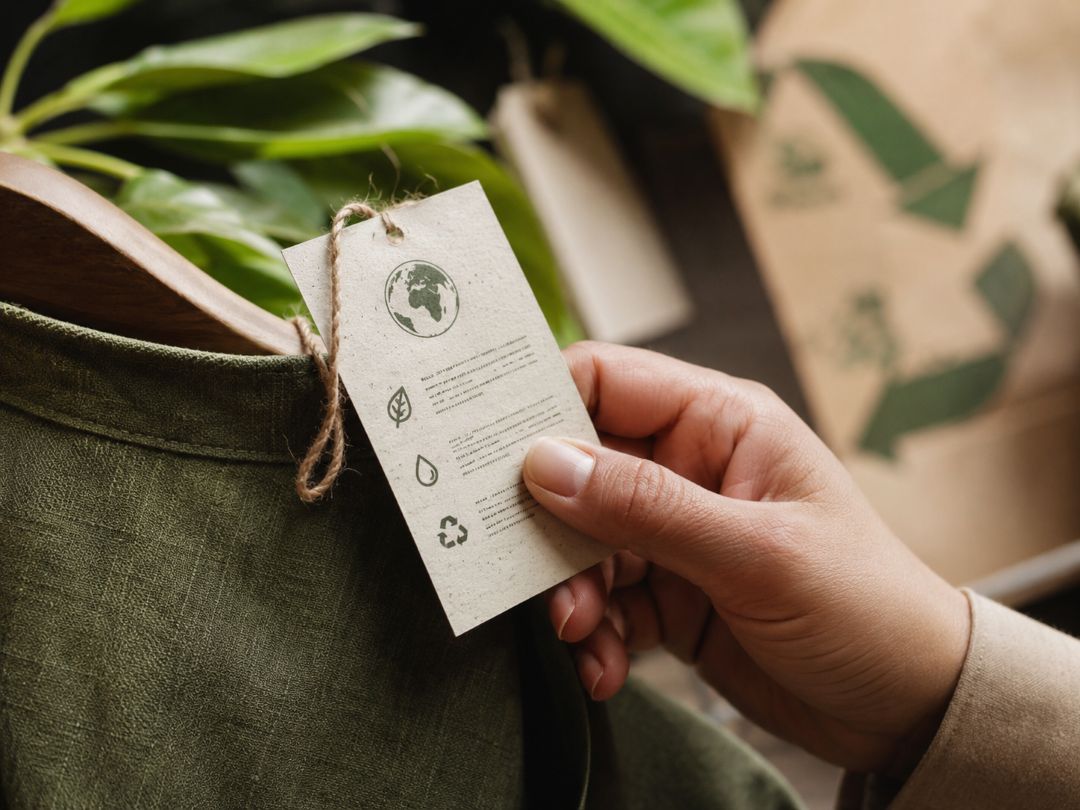
The fashion industry is under enormous pressure. On the one hand, awareness of environmental protection and fair working conditions is growing; on the other hand, the business model of many companies is based on constantly new collections and low prices. The solution for many brands? Creating a green image without changing their fundamental business practices.
Particularly insidious: Small positive steps are often overemphasized, while the negative aspects are glossed over. For example, a company might advertise that 5% of its collection is made from recycled materials—but fails to mention that the remaining 95% is produced under environmentally harmful conditions. Or it might promote “sustainable cotton” without mentioning that this accounts for only a fraction of the material used.
The industry’s tricks are varied, but with a little attention, you can see through them. Vague terms like “eco-friendly,” “natural,” or “green” without concrete evidence are a first red flag. Also watch out for misleading images—if a brand advertises its products against green meadows or with nature motifs, that says nothing about actual sustainability.
Another classic tactic is highlighting individual positive aspects while simultaneously concealing problematic practices. If a company proudly announces that it uses plastic-free packaging but reveals nothing about production conditions or the supply chain’s carbon footprint, you should be skeptical. True sustainability is demonstrated through transparency across the entire value chain.
You should be especially wary of self-created seals and certifications. While established labels like GOTS or Fairtrade have strict criteria, some companies invent their own “sustainability seals” that aren’t subject to any independent oversight. Always check who’s behind a seal and what criteria are actually being assessed.
While many brands merely pretend to be sustainable, the second-hand market offers an authentic solution. When you buy high-quality second-hand designer pieces at LOOP, you actively extend the lifespan of clothing that has already been produced. That’s circular economy in action—without greenwashing, without empty promises.
The advantage of pre-owned fashion is obvious: every piece that is passed on doesn’t have to be produced anew. This saves resources, water, and energy, and reduces CO2 emissions. At LOOP, you’ll also find timeless designer pieces that are often of higher quality than fast fashion and therefore last even longer. Authenticity checks using state-of-the-art technology like Entrupy ensure that you really get what you pay for.
What sets LOOP apart from others is transparency. There are no hidden fees, no misleading advertising claims—just a clear mission: to give high-quality fashion a second life. The platform makes sustainability simple and accessible without compromising on style or quality.
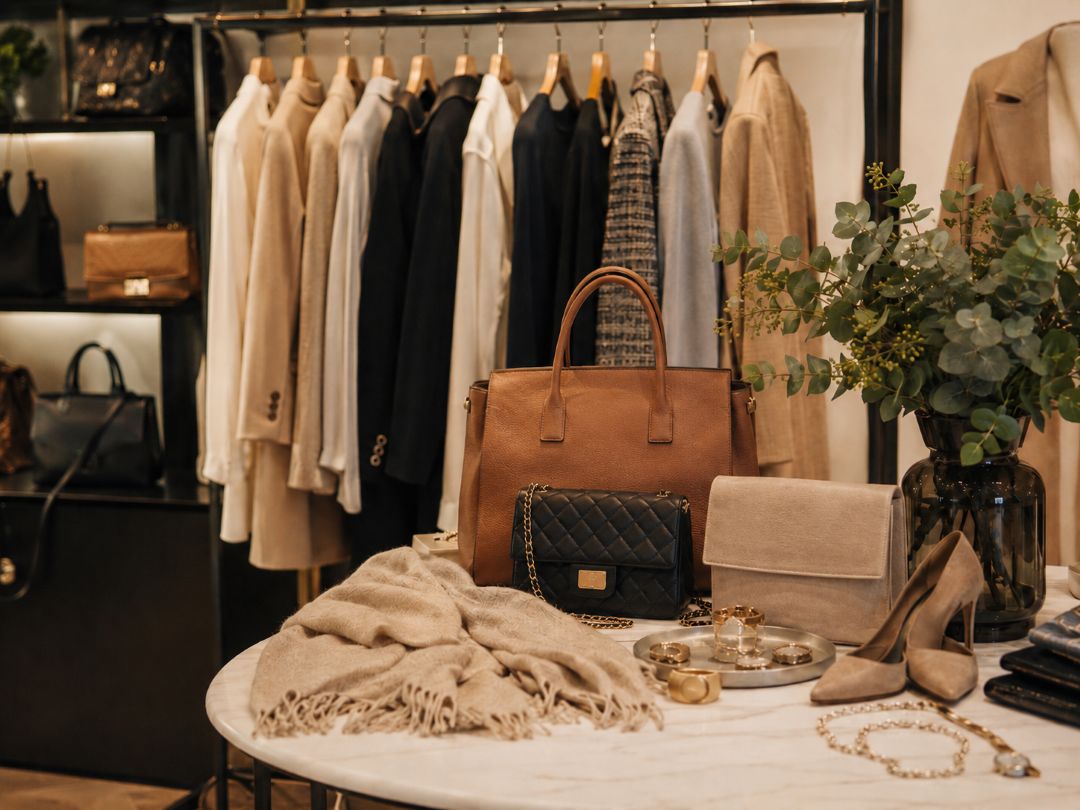
Recognizing greenwashing is the first step, but what comes next? First of all: Ask questions! If a company is truly sustainable, it will be happy to share detailed information about its practices. Don’t be afraid to ask for specific figures, production conditions, or certifications.
Educate yourself about trustworthy seals and labels. Organizations like Deutsche Umwelthilfe or the Federal Environment Agency offer helpful overviews of reputable sustainability certifications. The more you know about genuine standards, the easier it is to spot attempts at greenwashing.
Support companies that communicate transparently and take concrete action. These can be small, local brands that produce fairly, or platforms like LOOP that embody the circular economy. Your purchasing power matters—use it consciously.
Share your knowledge with others. The more people who see through greenwashing, the less successful this strategy becomes. Discuss sustainable alternatives with friends, share critical articles on social media, or publicly question the advertising claims of major brands.
Platforms like LOOP play a key role in offering genuine alternatives to greenwashing. Here, you don’t have to wonder whether a product is truly sustainable—sustainability is built into the system. Every pre-owned item sold and purchased is a statement against overproduction and for conscious consumption.
The benefits extend beyond the environment. At LOOP, you’ll find unique designer pieces that are no longer available in stores. You save money on high-quality fashion while also selling your own treasures that you no longer wear. This frees up space in your closet and money for new favorites—a win-win for you and the environment.
Especially important: LOOP’s quality control ensures that only authentic and well-preserved items are sold. This sets the platform apart from anonymous online marketplaces and gives you the assurance that your purchase is worth it.
Greenwashing is more than just a nuisance—it undermines genuine efforts toward sustainability and misleads conscious consumers. But you have the power to counteract it. By thinking critically, staying informed, and making conscious purchasing decisions, you can be part of the solution.
Pre-owned fashion at LOOP offers you an authentic alternative to the empty promises of the fast-fashion industry. Here, you don’t have to choose between style and sustainability—you get both. Every designer piece that finds a new home is a small victory against overproduction and for genuine environmental protection.
Ready to take the first step? Discover the diverse selection of high-quality pre-owned designer pieces at LOOP Jewelry & Accessories. Whether you’re looking for a special piece of jewelry, want to add timeless classics to your wardrobe, or simply need to make room in your closet—at LOOP, you’ll find a sustainable solution free from greenwashing. Sign up today and become part of a community that loves fashion and respects the environment.
What is the difference between greenwashing and true sustainability?
True sustainability is demonstrated through transparent, measurable measures across the entire value chain. Greenwashing, on the other hand, uses vague terms and distracts from problematic practices. At LOOP, sustainability is clear: every pre-owned piece extends the lifespan of fashion that has already been produced.
How can I spot greenwashing when shopping online?
Look for concrete information instead of vague promises. Reputable sellers provide details on materials, production conditions, and certifications. Be skeptical of overly “green” imagery that lacks substance. LOOP prioritizes transparency: All terms of sale and processes are clearly communicated.
Why is second-hand fashion more sustainable than “green” collections?
Secondhand fashion makes optimal use of resources that have already been produced, whereas even “sustainable” new production always consumes resources. At LOOP, you give high-quality pieces a second life; the most sustainable fashion is the fashion that already exists.
Can I be sure that the products at LOOP are authentic?
Absolutely! LOOP uses state-of-the-art technology like Entrupy to verify the authenticity of brand-name items. Additionally, seller verification and Money Guard buyer protection ensure maximum security for your purchase.
Fast Fashion: Warum bewusster Modekonsum wichtiger denn je istFast Fashion: ein Begriff, der unsere moderne Modewelt prägt und gleichzeitig ihre dunkelste Seite...
6 Minute readRolex Appreciation: Which Models Are Worth Investing InA Rolex is more than just a watch; it’s a statement, a work of art on your wrist, and for many, a smart i...
6 Minute readIst meine Chanel Tasche echt? Der ultimative Guide zur EchtheitsprüfungDu hältst eine Chanel-Tasche in den Händen und fragst dich: Ist sie echt? Diese Frage bes...
7 Minute readPrivacy settings
Your satisfaction is our goal, that`s why we use cookies. With these, we enable our website to run reliably and securely, keep an eye on performance and better address you.
Cookies are required so that everything works technically and you can also read external content. Furthermore, cookies help to get insights about your browsing behavior on our site to improve our service we offer to you. You can find out more about the services we use under »Cookie settings«.
By clicking on »Agree and continue« you agree to the use of these services. You can revoke or change your consent at any time with effect for the future.
Cookie settings
Adjust your personal preferences below.
Technical cookies
Technical cookies are essential for the basic functionality of the website.
Google Analytics
Provides us with valuable information about usage behavior in order to further improve our website.
Google Tag Manager
Provides us with valuable information about usage behavior in order to further improve our website.
Meta Pixel
Serves as marketing for personalized advertising.
Microsoft Clarity
Enhances our tracking analysis.