

Louis Vuitton Tasche Original erkennen: So prüfst du die Echtheit
Louis Vuitton Tasche Original: So erkennst du echte LV-Taschen und findest authentische StückeEine originale Louis Vuitton Tasche zu erkennen, ist heute wichtig...
7 Minute readLuxury vintage fashion has experienced an impressive revival in recent years. It combines a touch of nostalgia with timeless elegance and allows you to express your own style in a unique way. In an era where fast fashion is ubiquitous, interest is growing in alternatives that are not only sustainable and unique but also stylish and meaningful. Vintage clothing tells stories of times gone by and adds a personal touch to every outfit. A stylish response to the fast-paced nature of today’s fashion.
The term “vintage” originally comes from winemaking, where it referred to wines from a specific vintage. In broader usage, the meaning has expanded to many areas: for example, furniture is considered vintage if it is at least 20 years old.
There is no official age definition for clothing or accessories, but people usually refer to clothing as vintage when the pieces date from past decades, such as the ’60s, ’70s, ’80s, or ’90s. Such garments are often characterized by unique cuts, patterns, or distinctive designs and add a touch of nostalgia to any look.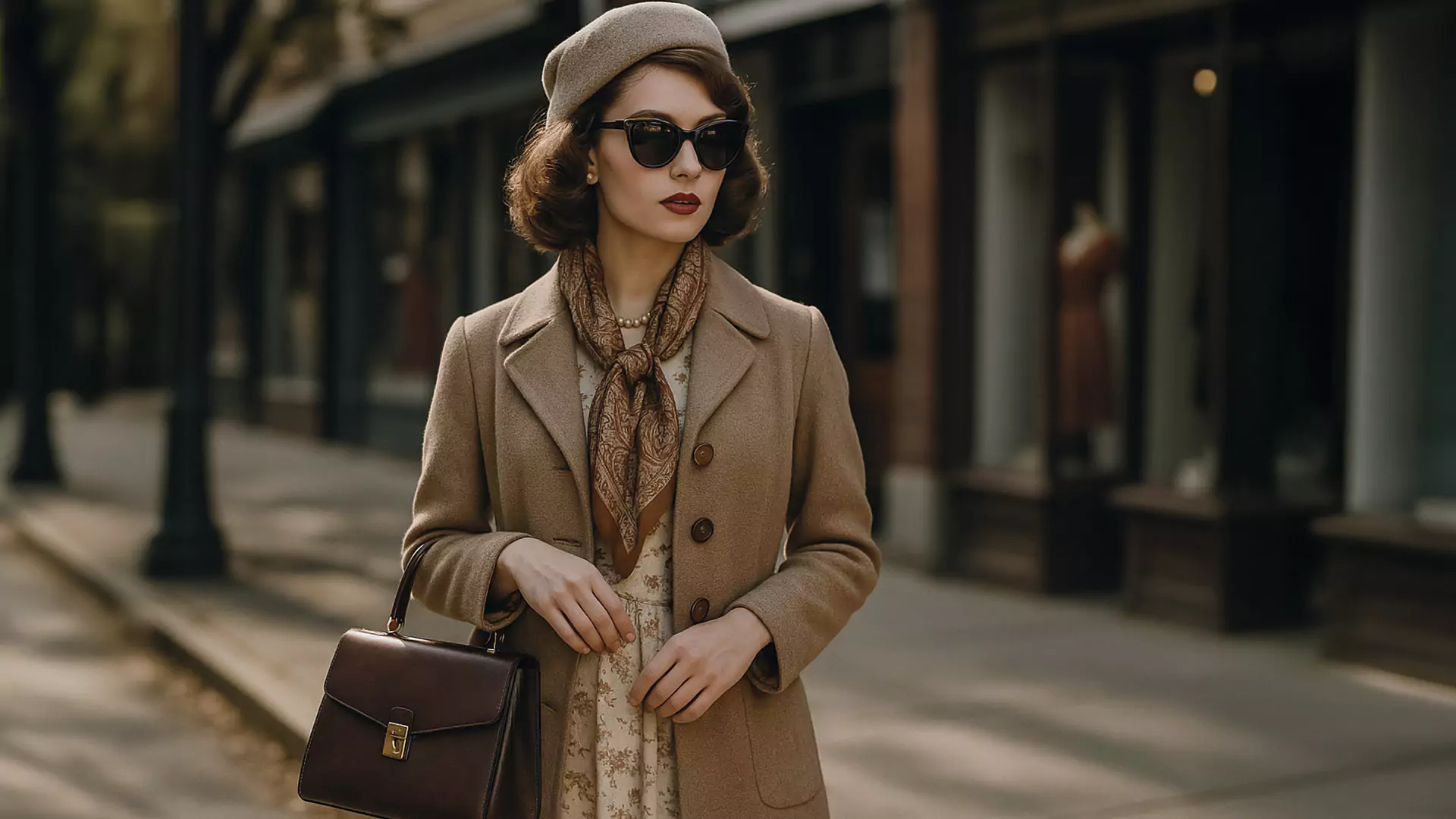
The vintage style has its roots in various eras of the 20th century, from the glamorous 1920s to the rebellious 1970s. As early as the 1980s, designers began to draw inspiration from past decades once again. Since then, vintage clothing has been found not only in thrift stores but also on runways and in collections by major fashion brands.
One example is Prada’s Re-Nylon bag, which combines classic design with sustainable materials. A modern look with a touch of nostalgia. Versace, too, deliberately incorporates elements of the 90s in shows like the Spring/Summer 2022 collection, including bold colors and eye-catching patterns.
Celebrities like Bella Hadid, Zendaya, and Rihanna have helped bring vintage fashion back into the spotlight today. As an expression of personality, style, and the desire for a unique outfit beyond mass-produced clothing.
Whether in interior design or fashion, vintage style captivates with its diversity and unmistakable charm. Vintage furniture is particularly sought after for living spaces: it lends every home character, a warm atmosphere, and a touch of a bygone era. Whether it’s an antique armchair, a retro kitchen table, or carefully restored furniture in the style of the 50s or 60s, each piece tells its own story and makes the home inviting and unique.
In the realm of vintage fashion, the focus is primarily on clothing that captivates with its timeless look and uniqueness. These are often one-of-a-kind pieces, limited-edition garments, or exclusive women’s clothing from past decades, frequently by renowned designers. This vintage clothing stands out not only for its quality and unique cuts but also for the stylish expression of personality it offers.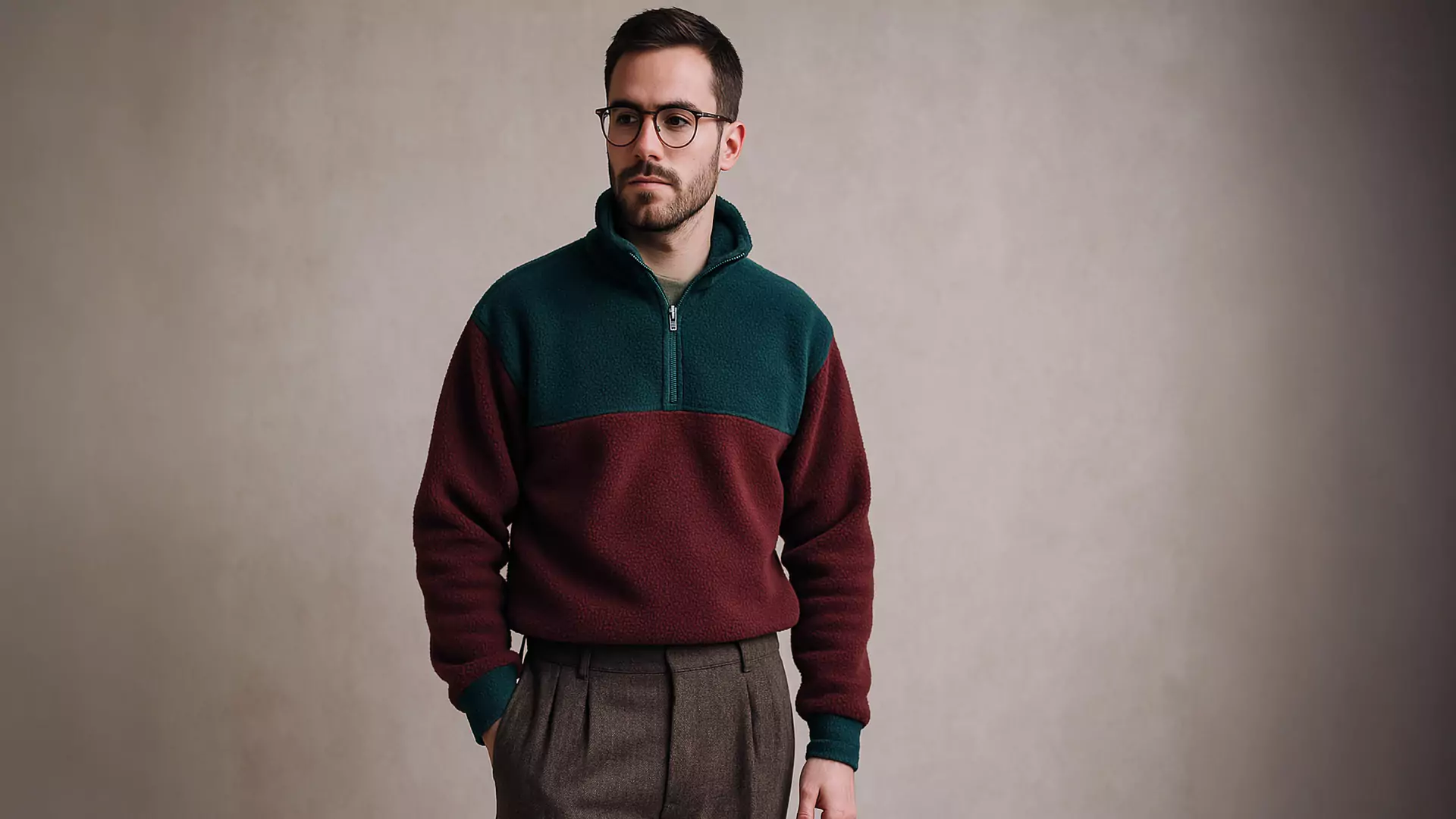
The vintage style thrives on individuality and a tangible connection to the past. Every garment brings a touch of nostalgia and stands out from today’s fashion through its rarity and special details. Terms like “vintage hunt” capture the feeling of being on a treasure hunt for unique pieces with character.
Another aspect is the often outstanding craftsmanship with which many vintage garments were made: attention to detail, high-quality materials, and meticulous workmanship—qualities that are often lost in today’s mass production. According to Elle Germany, many people value precisely this authenticity and the opportunity to wear a piece with history that elevates their own style to a new level.
Although the terms vintage and retro are often used interchangeably in everyday language, there are clear differences between the two styles. Vintage clothing refers to authentic garments, usually at least 20 years old, from past decades—in other words, genuine originals with a history. Retro fashion, on the other hand, encompasses newly produced items that are deliberately designed to evoke the look and style of bygone eras, without actually originating from that time period.
A typical example of retro is current collections from major fashion brands that draw stylistic inspiration from the 80s or 90s. Oversized silhouettes, neon colors, or retro patterns evoke past trends but are given a modern twist. While vintage clothing exudes the charm of the original, retro fashion focuses on the timeless style of bygone eras—reimagined for today’s wardrobe.
Reusing vintage clothing not only supports a sustainable lifestyle but also reduces the fashion industry’s ecological footprint. Secondhand purchases promote the circular economy and help conserve resources.
According to a study by the Federal Ministry for the Environment, buying second-hand fashion can significantly contribute to reducing textile waste. By choosing vintage clothing, we are making an active contribution to environmental protection.
The popularity of the luxury vintage style is closely linked to the influence of social media. The desire for individuality is also reflected in fashion—especially in the search for limited-edition garments that give one’s own style a distinctive touch. This has given rise to the concept of the “vintage hunt”: the targeted search for rare pieces with character and history.
Social media celebrities, in particular, have helped shape this trend. Instead of defining themselves through expensive “it” pieces, many opt for unique vintage clothing to stand out from the crowd. Stars like Sofia Richie and Gigi Hadid also regularly wear vintage pieces—whether as streetwear, on the red carpet, or at public appearances—making it clear that vintage fashion has long since become an integral part of modern wardrobes.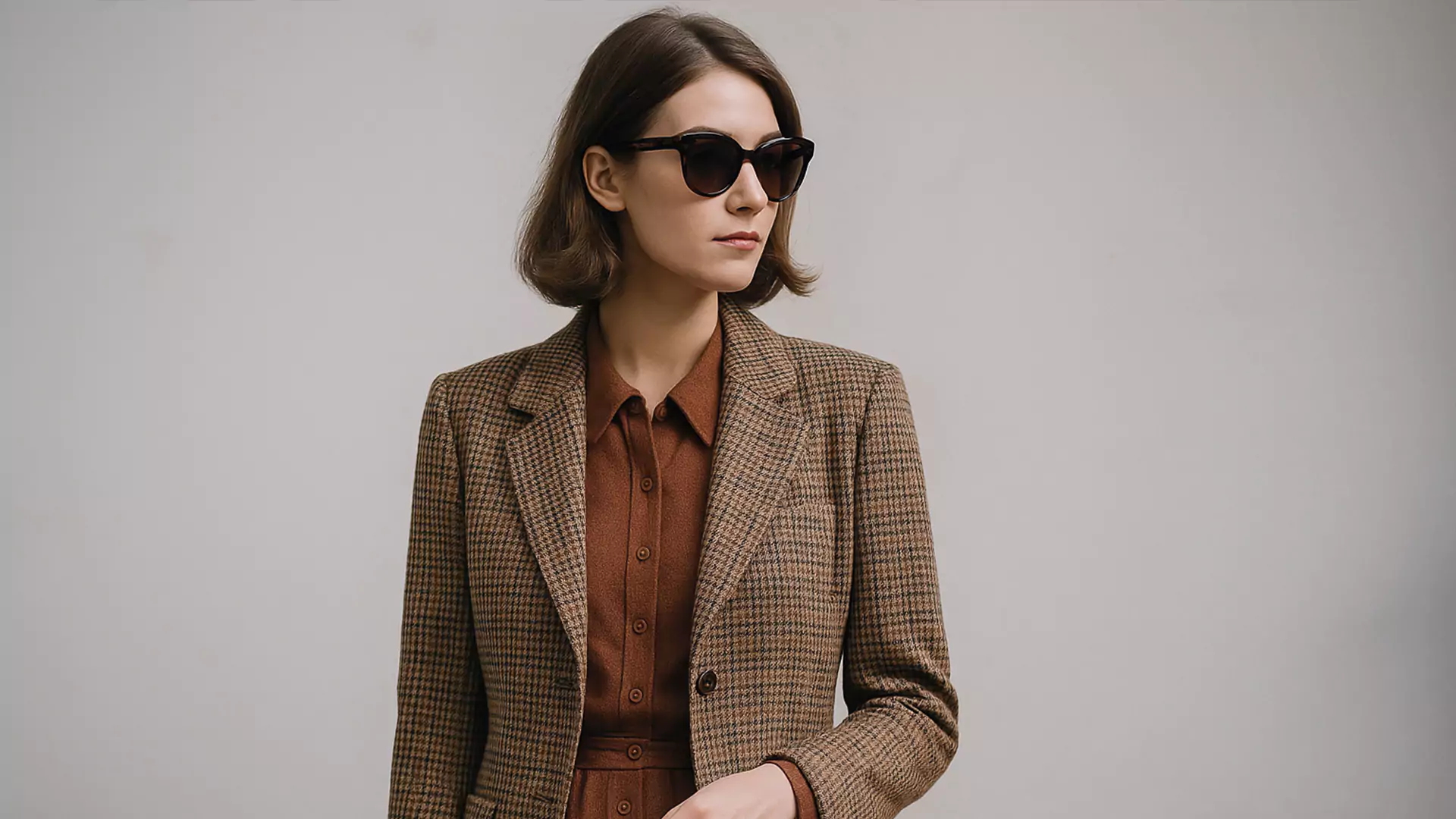
Here you’ll find a hand-picked selection of vintage items from loop-marketplace.ch, where you can discover unique pieces:
Vintage products aren’t just stylish—by buying them secondhand, you’re also contributing to the sustainable development of the fashion industry.
7 steps to putting together your own look:
Vintage fashion is more than just a trend. It’s a tribute to bygone eras and offers countless opportunities for self-expression. With a growing awareness of sustainability, the appeal of vintage clothing is becoming increasingly relevant.
The vintage look primarily features soft pastel shades as well as rich earth tones like olive green or rust red. Depending on the specific fashion era, however, other colors can also be incorporated.
You can recognize vintage clothing by its age (often at least 20 years old), unique cuts, and high-quality or unusual materials and details that are typical of past eras.
A vintage bag is an accessory from a bygone era that often stands out for its unique designs or materials and is at least 20 years old.
Prices for vintage clothing can vary; some pieces are affordable, while rare designer pieces can be quite expensive. Rare vintage pieces are referred to as “collector’s items” and can fetch many times their original price on the resale market.
Yes! The vintage style remains modern and relevant because it is constantly being reinterpreted and many people value individuality.
Louis Vuitton Tasche Original: So erkennst du echte LV-Taschen und findest authentische StückeEine originale Louis Vuitton Tasche zu erkennen, ist heute wichtig...
7 Minute readMyPrivateDressing.ch: Platform Closed—Here’s the Best AlternativeFor years, MyPrivateDressing.ch was a mainstay in the Swiss second-hand luxury market. Since it...
6 Minute readHow to Spot a Fake Gucci Belt: How to Protect Yourself from CounterfeitsThe iconic Gucci belt with its distinctive double-G logo has long been more than just an...
7 Minute readPrivacy settings
Your satisfaction is our goal, that`s why we use cookies. With these, we enable our website to run reliably and securely, keep an eye on performance and better address you.
Cookies are required so that everything works technically and you can also read external content. Furthermore, cookies help to get insights about your browsing behavior on our site to improve our service we offer to you. You can find out more about the services we use under »Cookie settings«.
By clicking on »Agree and continue« you agree to the use of these services. You can revoke or change your consent at any time with effect for the future.
Cookie settings
Adjust your personal preferences below.
Technical cookies
Technical cookies are essential for the basic functionality of the website.
Google Analytics
Provides us with valuable information about usage behavior in order to further improve our website.
Google Tag Manager
Provides us with valuable information about usage behavior in order to further improve our website.
Meta Pixel
Serves as marketing for personalized advertising.
Microsoft Clarity
Enhances our tracking analysis.